
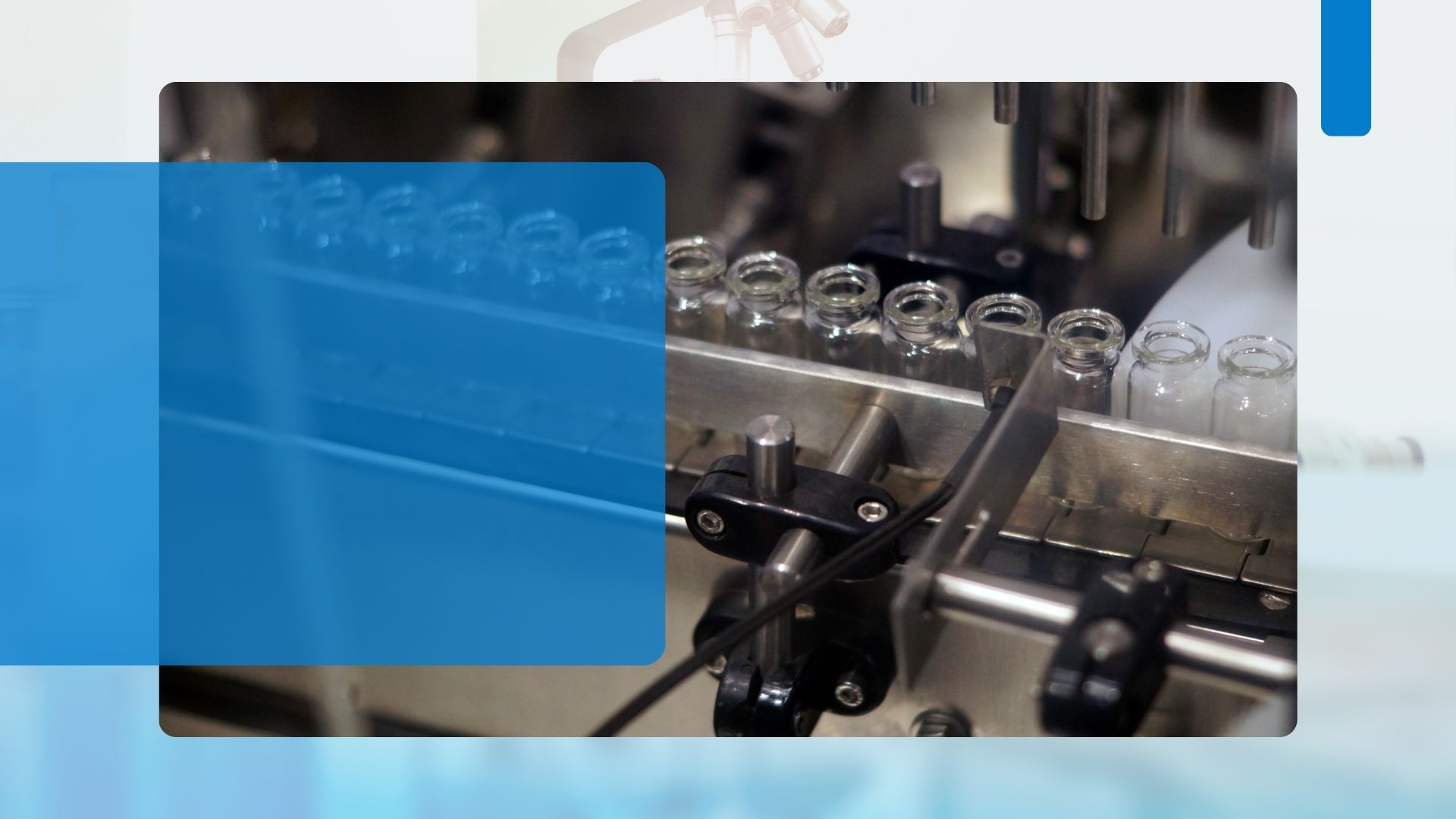
Raising the Bar for Sterility Assurance, Containment, and Digital Integration
As the pharmaceutical industry evolves toward higher containment, personalized therapies, and stricter regulatory scrutiny, isolator-based filling systems are rapidly becoming the standard for aseptic processing. Unlike conventional open RABS or Grade A/B cleanroom designs, isolators provide a fully enclosed, controlled, and decontaminated space, ensuring unmatched sterility and operator protection.
These systems play a vital role in small-volume, high-value drugs such as biologics, cytotoxics, and advanced therapy medicinal products (ATMPs), where even minor contamination can compromise entire batches.
Key Benefits of Isolator-Based Filling
- Complete physical separation between operator and product
- High-grade aseptic conditions maintained via positive pressure or unidirectional airflow
- Integrated VHP (vaporized hydrogen peroxide) decontamination with 6-log reduction capability
- Minimal reliance on operator gowning, reducing human error and microbial shedding
Limitations of Traditional Open Filling Environments
- High risk of contamination from manual intervention
- Increased dependency on HVAC, gowning, and cleanroom behavior
- Complex cleaning validation and changeover protocols
- Greater regulatory exposure due to manual records and operator variability
Compliance and Validation Requirements
- IQ/OQ/PQ protocols for isolator enclosure, air handling, and fill systems
- VHP cycle development, qualification, and residual testing
- Glove integrity testing, filter integrity validation, and HEPA certification
- Annex 1, ISO 14644-1, and 21 CFR Part 11 alignment
System Integration and Automation Capabilities
- Closed-loop integration with SCADA, MES, and electronic batch records
- Real-time monitoring of pressure, particle counts, temperature, and humidity
- Inline fill-weight verification, container closure integrity testing, and reject management
- Recipe-driven operations with auto-configuration of format parts and changeover steps
Use Cases in Pharmaceutical Manufacturing
- Fill-finish operations for vaccines, prefilled syringes, vials, and cartridges
- High-containment filling of oncological or hormonal products
- Rapid deployment units for clinical trials and pandemic response
Strategic Impact and Scalability Isolator-based filling enables facilities to achieve:
- Faster batch release through real-time data integrity and review-by-exception
- Reduced cleanroom classification requirements outside the isolator
- Enhanced flexibility for multi-product, low-volume manufacturing
- Greater alignment with QbD and Pharma 4.0 principles
As regulatory agencies increasingly favor closed systems for aseptic processing, isolator-based filling has shifted from a niche solution to a future-ready foundation for global cGMP manufacturing.